What should a mental health practice website include?
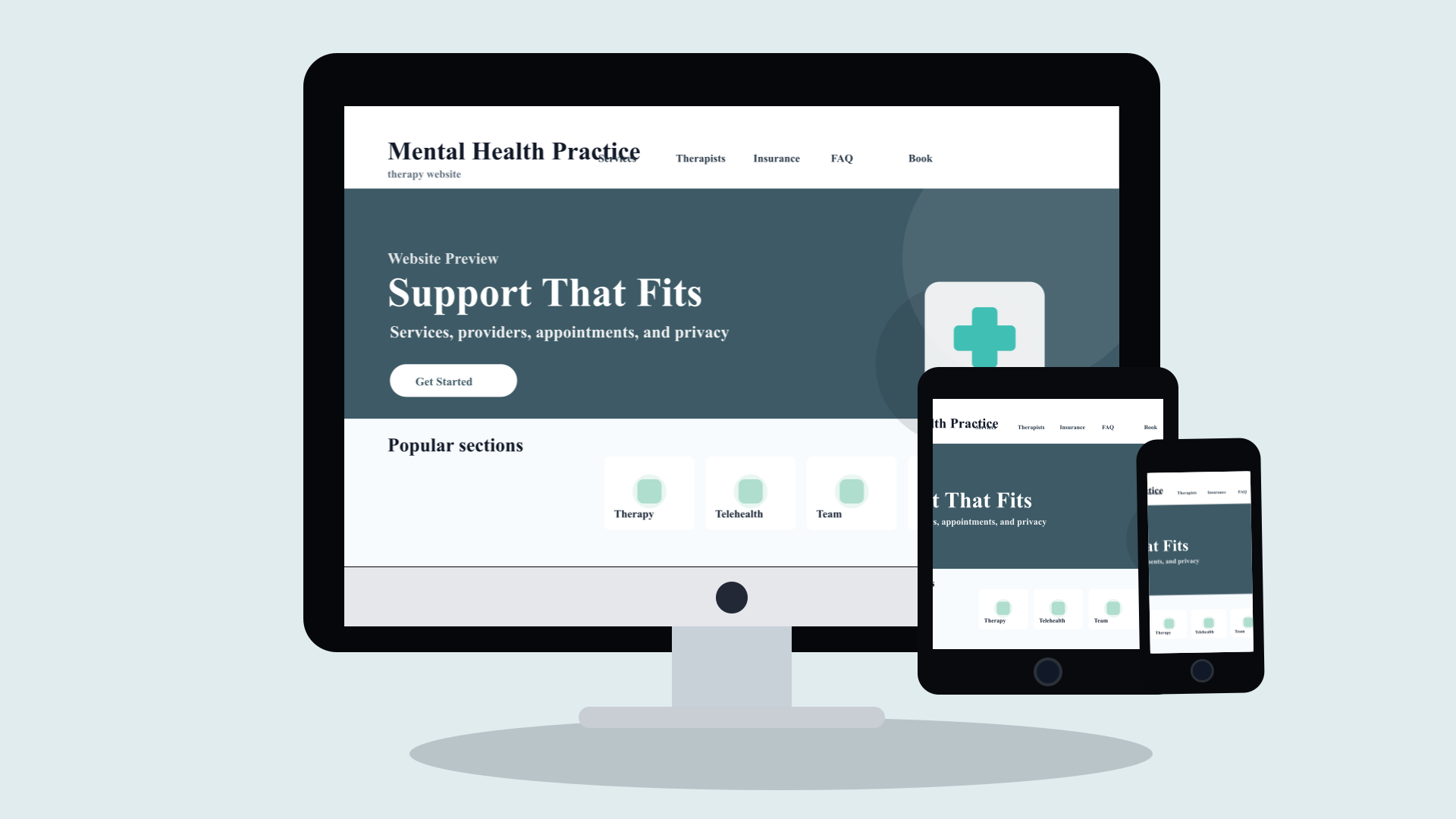
A strong mental health practice website should include clear services or products, trust-building proof, photos or galleries, reviews, FAQs, contact options, location information, and pages that help customers understand why they should choose the business. WebAct can plan that structure through website design.
Can WebAct help with digital ads for mental health practices?
Yes. WebAct can connect digital advertising campaigns to focused landing pages so ads are easier to track and visitors have a clear next step.
Do mental health practices need Local SEO?
Most local or service-area businesses benefit from Local SEO because customers often compare nearby providers, map listings, reviews, hours, locations, and service pages before they call or visit.
How much does website design for mental health practices cost?
Pricing depends on the scope of the website, number of pages, content, design needs, integrations, and whether advertising or marketing support is included. Start with design pricing or compare ongoing package pricing.
How can mental health practices show up better on Google Maps?
Google Business Profile support, location pages, reviews, categories, photos, services, and consistent citations can all support map visibility for mental health practices. WebAct can also help with Local Listings.
Should mental health practices use Google Ads?
Google Advertising can help mental health practices reach people who are actively searching for products, services, locations, appointments, or quotes. The best campaigns usually connect ads to industry-specific landing pages.
What pages should a mental health practice website have for SEO?
A mental health practice website often needs a home page, service or product pages, location pages, FAQ content, testimonials, gallery or portfolio proof, and contact pages. WebAct can pair those pages with Local SEO or National SEO.
Can WebAct create landing pages for mental health practices?
Yes. Landing pages can be built for mental health practices around a campaign, service, product, location, offer, event, or seasonal promotion. They can be connected to Google Advertising, social ads, email, or Local SEO campaigns.
Can WebAct add apps or widgets to a mental health practice website?
Yes. WebAct can add widgets and apps from the Website App Store for reviews, forms, popups, galleries, booking, accessibility, ecommerce, memberships, and other conversion tools.
How can mental health practices turn more visitors into leads?
Clear calls to action, fast forms, click-to-call buttons, trust proof, reviews, galleries, FAQs, offers, and focused landing pages can help convert more visitors. WebAct can combine those pieces with website design and digital advertising.
Can WebAct help with email follow-up for mental health practices?
Yes. Email Marketing can support newsletters, promotions, lead follow-up, customer reminders, review requests, and repeat-customer campaigns after the website starts generating traffic.
Can WebAct redesign an existing mental health practice website?
Yes. WebAct can review the current website, keep useful content, improve the design, rebuild the page structure, add stronger conversion paths, and connect the redesign to Local SEO, ads, or widgets.
Can I see similar WebAct work before starting?
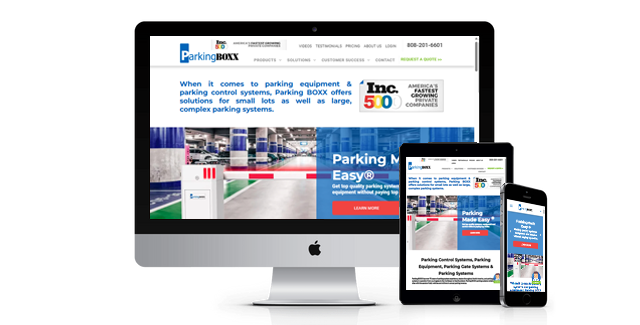
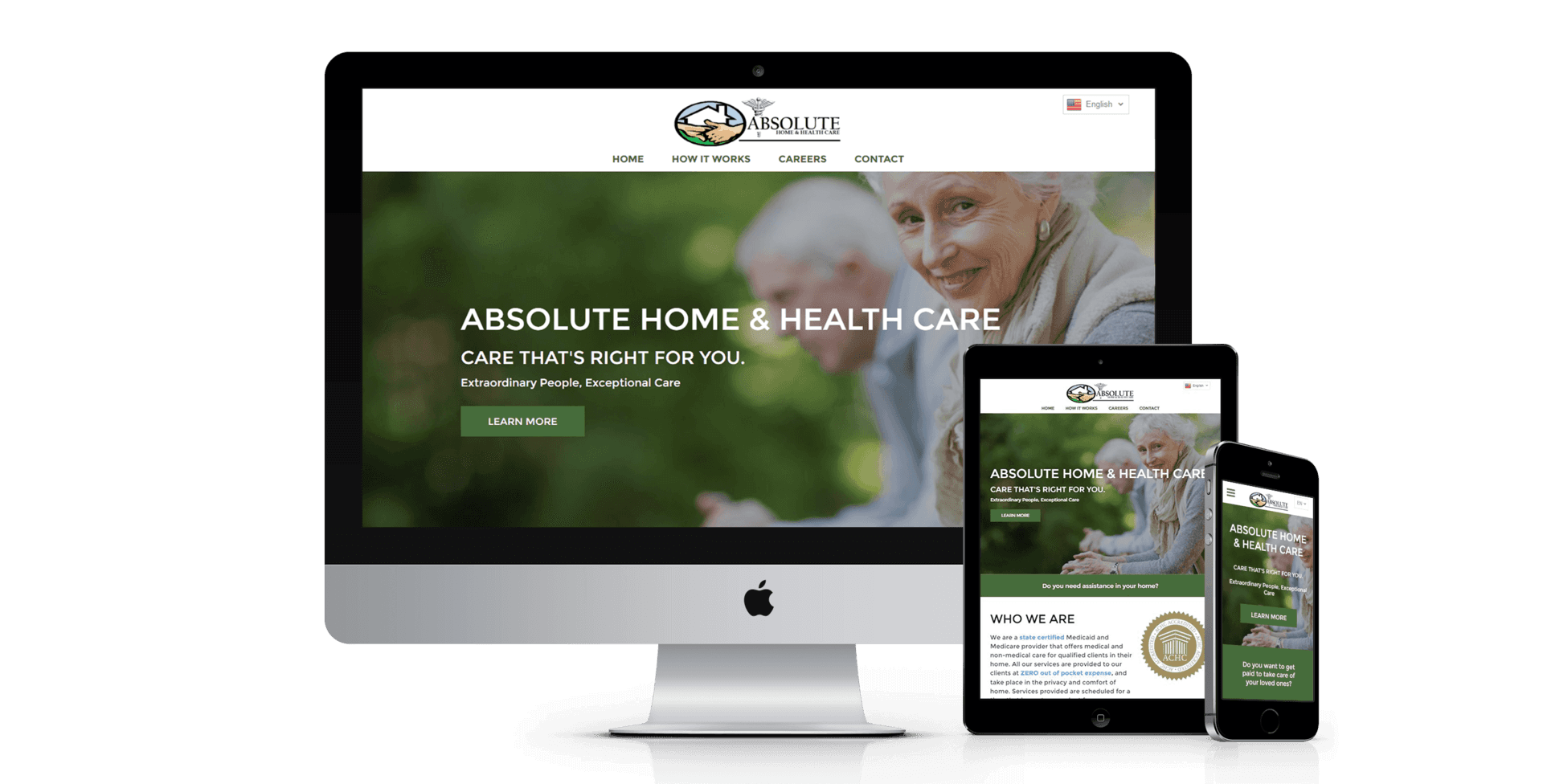
Yes. The portfolio shows examples of WebAct website work across industries. Each industry page also includes a related portfolio example where available.
How do mental health practices get started with WebAct?
Share the website, location, goals, current marketing, services or products, and any similar sites you like. Then contact WebAct to request a proposal or pricing recommendation.